Last reviewed July 2026. This article is for education. It is not medical advice, and it is not intended to diagnose, treat, cure, or prevent any disease. Talk with your clinician before changing a supplement routine.
Search “best methylated multivitamin” and you get a wall of listicles, most of them ranking whoever pays the most. This guide does something simpler: it shows you the checklist that actually separates a real methylated formula from a marketing one, then shows how the well-known options stack up on that checklist.
If you want the background first, start with what a methylated multivitamin is. Otherwise, here is how to judge one in 2026.
The 5-point checklist for a real methylated multivitamin
- Active folate. The folate line must read methylfolate, L-methylfolate, or 5-MTHF, never folic acid.
- Active B12. Methylcobalamin, not cyanocobalamin.
- Full active B-complex. Active B6 (P5P) and riboflavin-5-phosphate, so the B vitamins support one another.
- Bioavailable minerals and clean fillers. No synthetic padding around the active forms.
- Third-party testing. Verification that the label matches the bottle.
Any formula that misses points 1 or 2 is not really methylated, whatever the front of the bottle says.
How the well-known options compare
| What to check | A true methylated formula | A typical drugstore multi |
|---|---|---|
| Folate | Methylfolate (5-MTHF) | Folic acid |
| B12 | Methylcobalamin | Cyanocobalamin |
| B6 | P5P (active) | Pyridoxine HCl |
| Third-party tested | Yes | Varies |
| Best for | MTHFR / slow converters / clean-label | General, low-cost |
Brands built around methylation, including METHL, Thorne, and Seeking Health, will pass the folate and B12 checks. Mass-market multivitamins usually will not. The differences among the methylated brands come down to format, extras, price, and testing. We compare a few directly: Thorne vs METHL, Seeking Health alternatives, and Ritual alternatives.
What changed heading into 2026
The methylated category is more crowded than it was a few years ago, and that cuts both ways. The good news is that active folate has gone mainstream, so more brands now use methylfolate instead of folic acid, and you have real choice. The catch is that “methylated” has become a marketing word as much as a formulation one, which is exactly why the checklist above matters more now, not less. A few shifts are worth knowing. Third-party testing has moved from a premium extra to a baseline expectation, so a brand that still cannot point to it is behind. Liquid and drop formats have grown, giving people who dislike capsules a real option and making low-and-slow dosing easier for anyone sensitive to B vitamins. Transparency has improved too: per-ingredient amounts and named forms are now the norm among serious brands, and proprietary blends that hide the active-folate dose look increasingly dated. The practical takeaway for 2026 is that the bar for a “good” methylated multivitamin is higher, so hold your shortlist to it. Active forms, complete B-complex, clean fillers, and testing you can actually verify are table stakes now, not differentiators.
Match the multivitamin to the person
If you have an MTHFR variant
Prioritize a formula that is fully active, with no folic acid anywhere on the label. See MTHFR supplements and what to avoid.
If you want a complete daily multivitamin
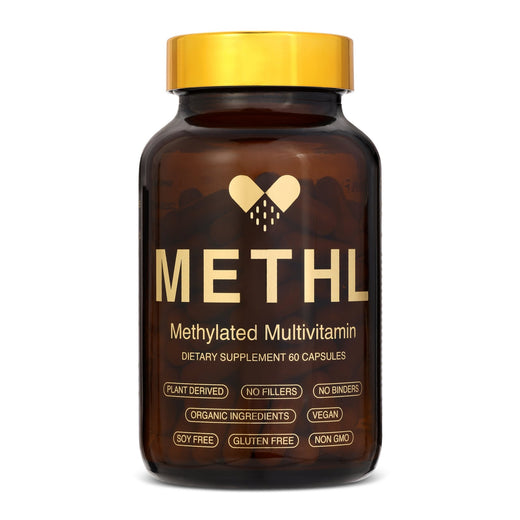
Look for the active B-complex plus vitamin C, D, and minerals in one formula. The methylated multivitamin is built for that.
If you prefer a focused, liquid option
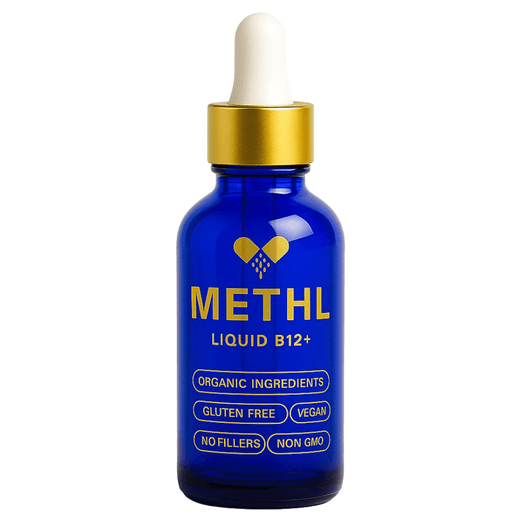
A liquid methyl B-complex absorbs quickly and is easy if you dislike pills.
Built to pass the checklist
METHL uses methylfolate and methylcobalamin across the board, a full active B-complex, bioavailable minerals, and third-party testing. Compare our label against any brand on your list.
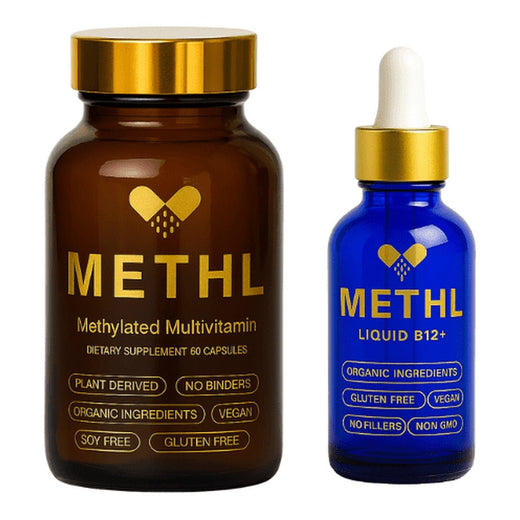
Shop the METHL Methylated Multivitamin See the Multivitamin + Liquid B BundleBeyond the B vitamins: the rest of the label
The folate and B12 forms decide whether a multivitamin is truly methylated, but the rest of the label still separates a good formula from a great one. Look at vitamin C: whole-food sources like acerola cherry and amla berry sit alongside the rest of the formula differently than isolated ascorbic acid. Check the minerals, since bioavailable forms like zinc citrate absorb better than cheap oxides. Some formulas add a fermented greens or digestive blend, which can support how well your gut takes up the whole formula. None of these replace getting the core B-vitamin forms right, but once the core is right, they are what make a daily multivitamin worth taking. Watch that the extras are real inclusions at meaningful amounts, not a sprinkle of greens powder added for the label.
Why METHL is formulated the way it is
We build our own multivitamin, so the checklist above is the same brief we set for ourselves. We use 5-MTHF and methylcobalamin so folate and B12 arrive active, P-5-P for B6, and we third-party test every batch. We built an immunity and fermented-greens blend around that active core, and we left out synthetic fillers. See the full lineup in our best methylated multivitamin collection.
How to make your final pick
- Run the 5-point checklist on your shortlist.
- Match the format to your routine: complete multivitamin or focused B-complex.
- Compare price per active dose, not just sticker price.
- Confirm third-party testing, then start at the labeled dose.
Red flags to avoid when shopping
The label tricks are consistent across the category, so once you know them you can skip most of the bad options in seconds.
- “Folate (as folic acid)” hiding in the panel. A front label can say “methylated” while the folate line still reads folic acid. Read the parenthetical.
- Blend padding. Some formulas list a token amount of methylfolate to look premium, then add cheaper folic acid to hit the number. Cleaner formulas use the active form only.
- Proprietary blends with no per-ingredient amounts. If you cannot see how much active folate you are getting, you cannot compare it.
- No testing claim at all. Third-party testing should be easy to find. If it is not mentioned anywhere, treat that as an answer.
How the price actually breaks down
Sticker price is the wrong number to compare. Two multivitamins at the same monthly price can differ a lot once you look at active dose and serving count. A cheaper bottle with folic acid is not cheaper if the point is active folate you can use. The fair comparison is cost per day for the active forms you actually want, alongside whether the formula is complete or you would need to buy separate B12 or B6 to match it. When you compare that way, a complete methylated multivitamin often costs less than assembling the same active nutrients from single-ingredient bottles.
The bottom line
Ignore the front of the bottle and the ranked lists that sell placement. A methylated multivitamin earns the name only when it uses active folate and methylcobalamin, covers the full B-complex in active forms, uses bioavailable minerals, and can show third-party testing. Run that five-point check on any shortlist and most options fall away in seconds. Then choose on the things the check does not decide: the format you will take daily, the extras that matter to you, and the cost per day for the active nutrients rather than the sticker price. The brands built around methylation, including METHL, will pass the folate and B12 checks; the drugstore multis usually will not. Buy the one that clears the checklist and fits your routine, start at the labeled dose, and give it a few weeks. That is the whole decision, minus the marketing.
Keep reading
- What is a methylated multivitamin?
- Best supplements for MTHFR
- Pros and cons of methylated vitamins
- Thorne vs METHL
Frequently asked questions
What is the best methylated multivitamin in 2026?
The best one for you uses active folate (L-5-MTHF) and methylcobalamin, covers the full B-complex in active forms, uses bioavailable minerals, and is third-party tested. METHL is built to that spec; compare its label against any brand you are considering.
How do I compare methylated multivitamins?
Read the folate line first (must be methylfolate, not folic acid), then B12 (methylcobalamin), then check for third-party testing and clean fillers. The forms on the back matter more than the claims on the front.
Are expensive methylated multivitamins worth it?
Active forms cost more than synthetic folic acid and cyanocobalamin, so a methylated formula is usually pricier than a drugstore multi. For slow converters the active forms are the point; you are paying for nutrients your body can use directly.
Which methylated multivitamin is best for MTHFR?
One built entirely on active forms, so a variant that slows folic-acid conversion is not a barrier. Avoid formulas that blend a little methylfolate with cheaper folic acid.
Is METHL third-party tested?
Yes. Every batch is third-party tested for purity and potency.
Sources: National Institutes of Health, Office of Dietary Supplements fact sheets on Folate and Vitamin B12 (ods.od.nih.gov). National Library of Medicine, MTHFR gene overview (medlineplus.gov/genetics). This article supports general wellness education and makes structure and function statements only. It does not diagnose, treat, cure, or prevent any disease.