Last reviewed July 2026. This article is for education. It is not medical advice, and it is not intended to diagnose, treat, cure, or prevent any disease. Talk with your clinician before changing a supplement routine.
Methylated vitamins get talked about like they are either a miracle or a scam. The honest answer is in between: they solve a real problem for some people and are a nice-to-have for others. Here is the balanced view, pros and cons, so you can decide.
New to the topic? Start with what a methylated multivitamin is.
The pros
1. No conversion step
Active forms like methylfolate and methylcobalamin are ready for your body to use. Synthetic folic acid and cyanocobalamin have to be converted first, and that step runs slow for a lot of people.
2. A real advantage for MTHFR and slow converters
If an MTHFR variant slows your folate conversion, the active forms bypass the bottleneck. This is the single clearest reason to choose methylated. See MTHFR supplements.
3. Cleaner labels
Methylated formulas tend to skip synthetic folic acid and cyanocobalamin, and the better ones drop unnecessary fillers too.
4. The B vitamins work as a team
A complete active B-complex lets folate, B12, and B6 support one another inside the methylation cycle.
The cons
1. Higher cost
Active forms are more expensive to make than commodity synthetic vitamins, so methylated formulas usually cost more than a drugstore multi. For slow converters that is money well spent; for others it is a judgment call.
2. A few people feel overstimulated
A minority feel wired or on edge on high doses of active B vitamins. Starting at the labeled dose in the morning usually prevents it. We cover this in overmethylation symptoms.
3. Not a fix for a problem everyone has
If you convert folate normally and feel good, methylated vitamins are a clean upgrade, not a cure. They will not out-perform a solid diet and sleep.
Pros and cons at a glance
| Pros | Cons |
|---|---|
| No conversion step needed | Costs more than synthetic forms |
| Clear benefit for MTHFR / slow converters | A few people feel overstimulated at high doses |
| Cleaner labels, fewer synthetics | Not a fix for everyone |
| Active B-complex works together | Requires reading labels carefully |
So should you take them?
If you have an MTHFR variant, feel nothing from regular multivitamins, or want the clean, body-ready option, the pros clearly win. If you convert normally and feel great on what you take, the decision is more about preference and budget. Either way, your clinician can help you decide.
Who should be a little cautious
Methylated vitamins are well tolerated by most people, but a few groups should start slow or check in first. If you are sensitive to B vitamins and feel wired on small doses of anything, begin at or below the labeled dose. If you take prescription medication, some nutrients interact with certain drugs, so a quick word with your clinician or pharmacist is worth it. If you are pregnant or breastfeeding, your nutrient needs are different and a provider-recommended prenatal may be the better fit, so do not swap on your own. And if you have felt overstimulated on a high-dose folate product before, choose a complete formula at a sensible daily dose rather than another isolated mega-dose. None of these are reasons to avoid the active forms, they are reasons to start thoughtfully.
Methylated vs standard, day to day
In practice the difference is quiet, not dramatic. You do not feel a methylated multivitamin the way you feel caffeine. What changes is that more of what you take is usable, so if a slow conversion step was leaving you short on active folate, filling that gap tends to show up as steadier energy and fewer of the vague deficits people chalk up to a busy life. If you already converted folate fine, you may notice little day to day, and that is not a failure of the product, it just means you were not the person with the bottleneck. The honest frame is insurance plus usability: you are making sure the nutrients you swallow are in a form your body can actually put to work.
Common myths, cleared up
Myth: methylated vitamins are only for people with MTHFR
They benefit slow converters the most, but the active forms are a clean, usable option for anyone. You do not need a diagnosis to prefer them.
Myth: more methylfolate is better
It is not. Past what your body needs, extra active folate does not add benefit, and a few people feel overstimulated. The right dose is the labeled one, adjusted with your clinician if needed.
Myth: they work instantly
Nutrients are not stimulants. If you are filling a real gap, the change is gradual and steadies over weeks, not something you feel within an hour.
Myth: a long ingredient list means a better multivitamin
The forms matter more than the count. A short list of active, body-ready nutrients beats a long list padded with synthetics your body converts slowly.
The clean, body-ready option
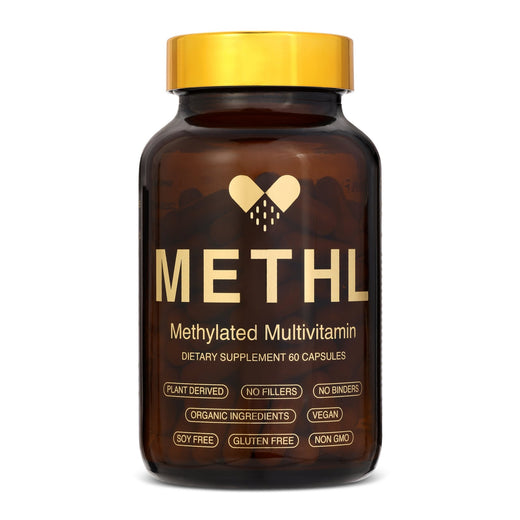
METHL delivers the pros of methylated nutrition, active folate and methylcobalamin, in a complete, third-party-tested formula at a sensible daily dose.
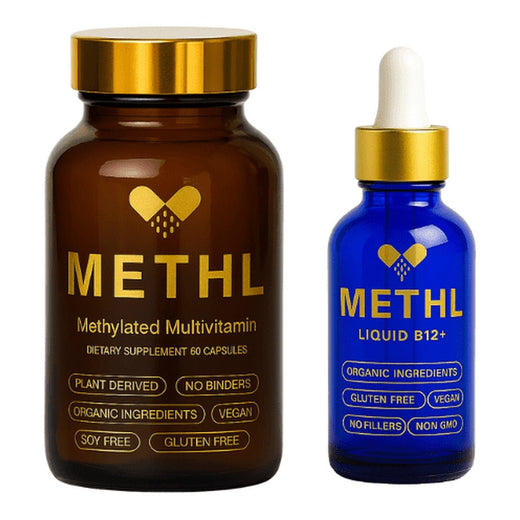
Shop the METHL Methylated Multivitamin See the Multivitamin + Liquid B BundleHow to try methylated vitamins the smart way
If the pros sound like they apply to you, the way you start matters as much as what you buy. Begin with one complete formula rather than a cabinet of single-ingredient bottles, so the B vitamins work together and you have one variable to judge, not six. Take it in the morning with food, since active B vitamins can be mildly energizing and absorb better with a meal. Start at the labeled dose even if a higher-dose product is available; you can always adjust upward with your clinician, but you cannot un-take a large dose that left you feeling wired. Give it a few weeks before you decide, because filling a genuine nutrient gap is gradual, not an overnight switch. And keep the rest of your routine steady while you evaluate, so a new coffee habit or a rough week of sleep does not get blamed on the supplement. If anything feels off, ease back and talk with your clinician.
How METHL handles the cons
We build our own formula, so we designed around the two real downsides. On cost, we put the spend where it matters, active forms and third-party testing, and skip synthetic fillers that add nothing. On sensitivity, we use a balanced daily dose inside a complete formula rather than a single high-milligram folate pill, which is gentler for people who react to large doses. See the methylated multivitamin and methyl B-complex.
The bottom line
Methylated vitamins are neither a miracle nor a gimmick. The pros are real and specific: no conversion step, a clear advantage for people with an MTHFR variant or slow folate conversion, cleaner labels, and a B-complex that works as a team. The cons are equally real but manageable: they cost more than synthetic forms, and a small number of people feel overstimulated at high doses. Weigh those against your own situation. If you have a variant, feel nothing from standard multivitamins, or simply want the active, clean option, the pros win comfortably. If you convert folate normally and feel good, the choice comes down to preference and budget, and there is no wrong answer. Whatever you decide, start with one complete formula at the labeled dose, keep the rest of your routine steady while you judge it, and bring your clinician into the loop if you take medication.
Keep reading
- What is a methylated multivitamin?
- Overmethylation symptoms
- Best supplements for MTHFR
- MTHFR supplements to avoid
Frequently asked questions
What are the cons of methylated vitamins?
The main ones are higher cost than synthetic forms and, for a few sensitive people, feeling overstimulated at high doses. Starting at the labeled dose usually avoids the second. Neither is a safety problem for most people.
Are there downsides to methylfolate?
For most people, no. A minority feel wired if they take more than they need, so start low. If you take medication or have a health condition, check with your clinician first.
Who benefits most from methylated vitamins?
People with an MTHFR variant or who convert synthetic folic acid slowly, and anyone who wants the active, clean-label option. See our guide to who needs a methylated multivitamin.
Are methylated vitamins better for everyone?
They are a clean, body-ready option for everyone, but the biggest benefit goes to slow converters. If you convert normally and feel fine, a regular multivitamin may work for you too.
Can methylated vitamins cause side effects?
Most people tolerate them well. High doses of B vitamins can cause mild nausea or bright-yellow urine, which is harmless. Taking them with food usually prevents stomach upset.
Sources: National Institutes of Health, Office of Dietary Supplements fact sheets on Folate and Vitamin B12 (ods.od.nih.gov). National Library of Medicine, MTHFR gene overview (medlineplus.gov/genetics). This article supports general wellness education and makes structure and function statements only. It does not diagnose, treat, cure, or prevent any disease.