Methylated Vitamin C

New to methylated nutrients? Shop METHL’s methylated multivitamins & B vitamins — active forms your body can actually use.
Methylated vitamin C is a more bioavailable form of vitamin C. Here is what it is, how it differs from standard vitamin C, and how it supports your immune health and collagen production.
What is Methylated Vitamin C?
Methylated vitamin C is a form of vitamin C that has been combined with methyl groups. This combination is intended to support better absorption and utilization by the body compared to traditional vitamin C supplements.
Why Choose Methylated Vitamin C?
Research has shown that methylated vitamin C can be up to 50% more effective than regular vitamin C supplements. The addition of methyl groups enhances the bioavailability of vitamin C, ensuring that your body can fully reap the benefits of this essential nutrient.
The Benefits of Methylated Vitamin C
Studies have indicated that methylated vitamin C may help support a healthy immune system, promote collagen production for skin health, and act as a powerful antioxidant to combat oxidative stress. Additionally, this form of vitamin C is gentle on the stomach, making it suitable for those with sensitive digestive systems.
Understanding Vitamin C and Methylation
While vitamin C itself is not a methylated nutrient, it plays a critical supporting role in the methylation cycle. Vitamin C acts as a cofactor for enzymes involved in collagen synthesis, neurotransmitter production, and immune function — all processes that depend on healthy methylation. For individuals with MTHFR gene mutations, adequate vitamin C intake becomes even more important because impaired methylation increases oxidative stress, and vitamin C is the body's primary water-soluble antioxidant.
Research published in the Journal of Nutritional Biochemistry has shown that vitamin C helps regenerate other antioxidants including glutathione — the body's master detoxifier. Since MTHFR variants reduce glutathione production through impaired transsulfuration, supplemental vitamin C helps compensate by recycling existing glutathione stores and reducing overall oxidative burden.
Why Whole-Food Vitamin C Outperforms Ascorbic Acid
Most vitamin C supplements contain synthetic ascorbic acid — an isolated chemical compound that lacks the bioflavonoids, co-factors, and phytonutrients found in whole-food vitamin C sources. The difference matters significantly for absorption and utilization:
- Bioflavonoids enhance absorption — compounds like quercetin, rutin, and hesperidin found alongside natural vitamin C increase its bioavailability by up to 35%
- Whole-food sources provide synergistic nutrients — acerola cherry, camu camu, and amla berry deliver vitamin C alongside polyphenols that amplify antioxidant activity
- Gentler on digestion — buffered or food-based vitamin C causes less gastric irritation than high-dose ascorbic acid
- Sustained release — the fiber matrix in whole-food vitamin C creates a natural time-release effect, maintaining blood levels longer than synthetic forms
When choosing a vitamin C supplement to complement your methylated multivitamin regimen, look for whole-food or food-fermented forms rather than synthetic ascorbic acid.
Vitamin C and the MTHFR Connection
The relationship between vitamin C and MTHFR goes deeper than most people realize. Here are the key mechanisms:
Protecting Methylfolate from Oxidation
Methylfolate (5-MTHF) is inherently unstable and vulnerable to oxidative degradation. Vitamin C's antioxidant properties help protect circulating methylfolate from being destroyed before it can enter cells and participate in the methylation cycle. This is one reason why taking vitamin C alongside a methylated B complex can enhance the effectiveness of both supplements.
Supporting Iron Absorption for Methylation
Iron is a necessary cofactor for several methylation-dependent enzymes. Vitamin C dramatically improves non-heme iron absorption — by up to 6x when taken together. For individuals with MTHFR mutations who may already have compromised nutrient absorption, this synergy is especially valuable.
Reducing Homocysteine Indirectly
While B vitamins are the primary drivers of homocysteine metabolism, vitamin C contributes by reducing the oxidative stress that impairs methylation enzymes. Studies have shown that individuals with higher vitamin C status tend to have lower homocysteine levels, even after controlling for B vitamin intake.
Signs of Vitamin C Deficiency in MTHFR Carriers
MTHFR carriers may be more susceptible to functional vitamin C deficiency due to increased oxidative demands. Watch for these signs:
- Easy bruising — vitamin C is essential for collagen integrity in blood vessel walls
- Slow wound healing — collagen synthesis requires adequate vitamin C
- Frequent colds and infections — immune cells concentrate vitamin C at 80x blood plasma levels
- Bleeding gums — a classic early sign of vitamin C insufficiency
- Fatigue and irritability — vitamin C supports adrenal function and neurotransmitter synthesis
- Joint pain — collagen degradation from low vitamin C affects connective tissue
- Dry, rough skin — vitamin C is crucial for skin barrier integrity and hydration
Optimal Vitamin C Dosing for Methylation Support
The RDA for vitamin C (75-90mg) is widely considered insufficient for optimal health, particularly for those with MTHFR variants and increased oxidative stress. Most integrative practitioners recommend 500-2000mg daily from whole-food or buffered sources, split into two or three doses for sustained blood levels.
For individuals actively supporting their methylation cycle with methylated multivitamins, 500-1000mg of food-based vitamin C alongside their B vitamin protocol provides excellent synergistic support. Higher doses may be appropriate during illness, high stress periods, or when recovering from surgery.
How Vitamin C Pairs with Methylated B Vitamins
The combination of vitamin C with methylated B vitamins creates a powerful synergy for total body health:
- Vitamin C + Methylfolate — C protects methylfolate from oxidation while folate supports DNA repair; together they reduce cancer risk
- Vitamin C + Methylcobalamin — C enhances B12 absorption in the gut while B12 supports nervous system function
- Vitamin C + P5P (B6) — both support neurotransmitter synthesis; C helps recycle the tetrahydrobiopterin (BH4) cofactor needed for serotonin and dopamine production
- Vitamin C + Glutathione pathway — C recycles glutathione while B vitamins (via transsulfuration) produce it; together they provide comprehensive antioxidant coverage
This is why a comprehensive approach to supplementation — combining a methylated multivitamin with targeted vitamin C — yields better results than any single nutrient alone. Visit our story to learn how METHL was designed with these nutrient synergies in mind.
Choosing the Right Vitamin C Supplement
When selecting vitamin C to complement your methylated vitamin protocol, consider these factors:
- Source — whole-food extracts (acerola, camu camu, amla) over synthetic ascorbic acid
- Form — buffered or food-based vitamin C is gentler on the stomach for high-dose protocols
- Buffering — calcium ascorbate or sodium ascorbate for sensitive stomachs
- Bioflavonoids — added quercetin or citrus bioflavonoids enhance uptake and activity
- Purity — no artificial colors, sweeteners, or unnecessary fillers
As with all supplements, quality matters. The same philosophy that drives METHL's commitment to pharmacy-grade methylated vitamins should guide your choice of every nutrient in your stack — learn more about what makes methylated B vitamins different from their synthetic counterparts.
The Science of Vitamin C Recycling
One of the most fascinating aspects of vitamin C biochemistry is its recycling system. When vitamin C donates an electron to neutralize a free radical, it becomes dehydroascorbic acid — an oxidized form that is normally recycled back to active ascorbic acid by glutathione and other cellular systems. This recycling process is crucial for maintaining vitamin C levels without constant re-dosing.
For MTHFR carriers with reduced glutathione production, this recycling system operates less efficiently. The result is faster vitamin C depletion and a greater need for dietary or supplemental intake. This creates a vicious cycle: low glutathione means faster vitamin C burnout, and low vitamin C means less glutathione recycling. Breaking this cycle requires addressing both nutrients simultaneously — which is why combining NAC (for glutathione support) with whole-food vitamin C and a methylated B complex creates a comprehensive antioxidant strategy.
Vitamin C in METHL's Holistic Approach
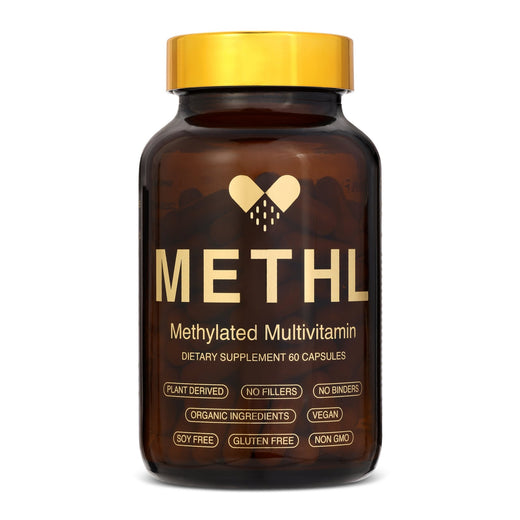
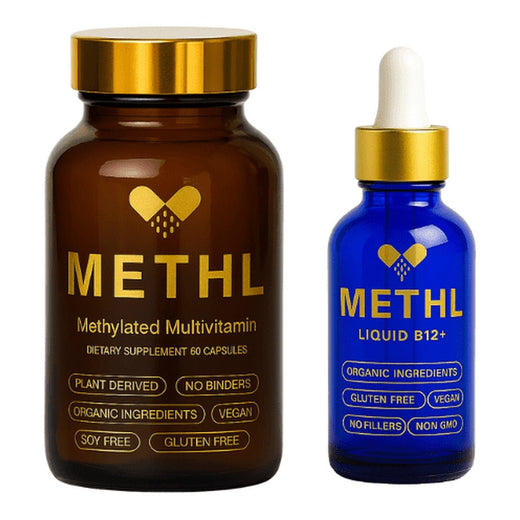
While METHL's product line focuses specifically on methylated B vitamins and organic greens, the formula was designed with nutrient synergy in mind. The fermented organic greens in the METHL Methylated Multivitamin contain naturally occurring vitamin C from whole-food sources, providing a synergistic foundation. For individuals who want to optimize their vitamin C intake further, adding a dedicated whole-food vitamin C supplement to the METHL protocol creates an even more robust nutritional foundation.
The key takeaway is that vitamin C is not an isolated nutrient — it works within a network of antioxidants, methylation cofactors, and detoxification pathways. By supporting the entire network with methylated B vitamins, glutathione precursors like NAC, and adequate vitamin C, you create the conditions for optimal cellular health. This integrated approach reflects the philosophy behind METHL and the reason Only Multivitamin was founded — because isolated, synthetic nutrients are never the whole answer.
Practical Tips for Vitamin C Supplementation
Here are evidence-based strategies for optimizing your vitamin C intake alongside your methylated vitamin protocol:
- Spread doses throughout the day — vitamin C has a short half-life in the body (about 30 minutes for plasma levels to peak and begin declining). Taking 250-500mg two to three times daily is more effective than a single large dose.
- Take with meals — food buffers stomach acid and slows absorption, allowing more complete uptake.
- Combine with iron-rich foods — if you are also addressing low iron (common in MTHFR carriers), vitamin C dramatically increases non-heme iron absorption.
- Avoid mega-doses during detoxification protocols — very high vitamin C doses can mobilize heavy metals from tissues. Work with a practitioner if doing targeted detoxification.
- Monitor bowel tolerance — loose stools indicate you have exceeded your body's current vitamin C needs. This threshold varies with stress, illness, and individual biochemistry.
For the foundation of your methylation support, pair vitamin C with the right forms of methylated B vitamins to ensure comprehensive biochemical support.
Related: Methylated multivitamin
Related reading: What Is a Methylated Multivitamin? (And Who Actually Needs One)