How Do Methylated Vitamins Support Nutrient Absorption?

Methylated vitamins play a crucial role in our body’s ability to absorb nutrients effectively. In this blog, we will explore the significance of these vitamins and how they enhance nutrient absorption, making it easier for our bodies to utilize essential vitamins and minerals.

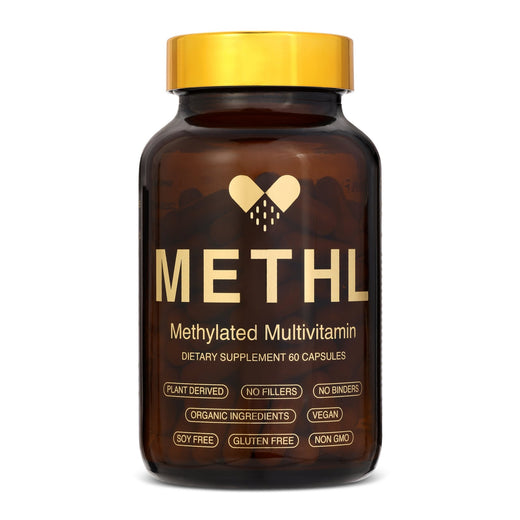
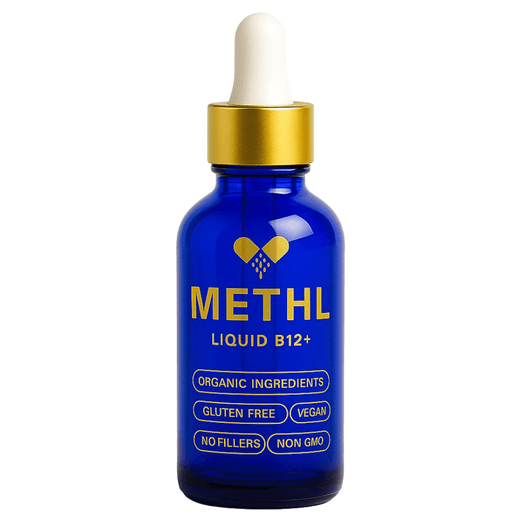
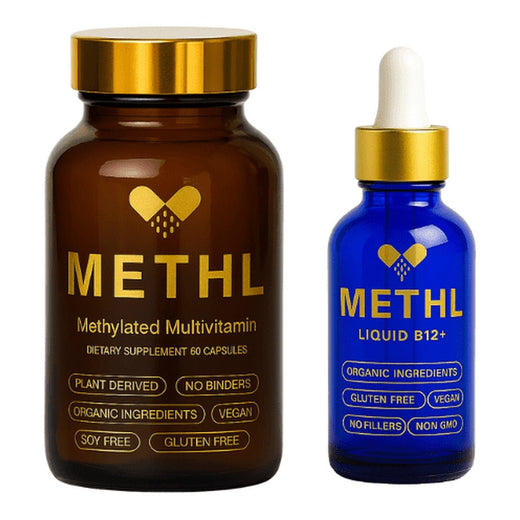
New to methylated nutrients? Shop METHL’s methylated multivitamins & B vitamins — active forms your body can actually use.
What Are Methylated Vitamins?
Methylated vitamins are vitamins that have undergone a process called methylation. This process adds a methyl group to the vitamin, making it more bioavailable and easier for the body to use.
For example, vitamin B12 in its methylated form is significantly more effective than non-methylated versions. This means you can harness the nutritional power of these vitamins more directly.
In essence, methylation transforms vitamins into their more active forms, allowing our bodies to absorb and utilize them more efficiently. This is particularly important for individuals with specific genetic variations.
Why Methylation Matters for Nutrient Absorption
Methylation plays a critical role in several biochemical processes, including detoxification and DNA repair. Understanding this importance helps us see why methylated forms of vitamins are superior for absorption.
When our bodies lack adequate methylation, we risk not absorbing essential nutrients. This can lead to various health issues over time, stressing the need for these specific forms of vitamins.
Furthermore, without adequate methylation, certain vitamins may not facilitate the necessary chemical reactions required for our body’s health, making methylated vitamins a key player in nutrient absorption.
Because methylated vitamins are already in the form your body uses, they improve nutrient uptake without the conversion step that limits standard supplements.
Key Methylated Vitamins and Their Benefits
Vitamins like B12, folate, and B6 are often found in methylated forms, which enhance their effectiveness in the body. These vitamins help with energy production, nervous system health, and heart health.
Methylated B12, for instance, supports mental clarity and decreases fatigue. This is why it’s especially popular among those with busy lifestyles.
Folate, crucial for DNA synthesis, is even more effective in its methylated state. This is especially vital for pregnant women, as it greatly reduces the risk of neural tube defects.
Moreover, methylated B6 plays a key role in protein metabolism, which is essential for muscle health and function. Each of these vitamins contributes uniquely, showcasing the diverse range of benefits that methylated vitamins provide.
How to Incorporate Methylated Vitamins into Your Diet
You can find methylated vitamins in dietary supplements or certain foods. Incorporating these into your daily routine is a great way to support your nutrient absorption efficiently.
Look for supplements labeled as ‘methylated’ for the best effect. Foods rich in these vitamins include leafy greens, fish, eggs, and legumes, which are fantastic additions to your meals.
When planning your diet, consider consulting with a healthcare provider to understand your unique needs. This professional guidance can help tailor a nutrition plan that effectively supports your health.
Moreover, keeping an open dialogue about any changes you make can help you track improvements in your health and wellness as you incorporate methylated vitamins.
Potential Risks of Methylated Vitamins
While methylated vitamins are beneficial, it’s essential to use them wisely. Consultation with a healthcare provider can help determine the right balance for your individual needs.
In some cases, excess methylated vitamins could potentially lead to imbalances in nutrient absorption. Understanding your body’s specific requirements shines a light on the nuances of supplementation.
Additionally, those with certain health conditions or specific medications should exercise caution when adding supplements to their routine. Personal health history plays an important role in determining safety.
Ultimately, knowledge and consultation can help you choose methylated vitamins safely and effectively.
Methylated Vitamins for Better Nutrient Absorption
Understanding the benefits of methylated vitamins can empower you to make informed choices about your health. By ensuring that your body can absorb nutrients effectively, you can support overall well-being and vitality. Consider incorporating methylated vitamins into your diet to optimize your nutrition.
The Methylation Cycle Explained
To understand how methylated vitamins support nutrient absorption, you need to understand the methylation cycle itself. This biochemical pathway runs continuously in every cell of your body, performing over 200 essential functions per second. Here is how it works:
- Methylfolate (5-MTHF) donates a methyl group to homocysteine via the enzyme methionine synthase (which requires methylcobalamin as a cofactor)
- Homocysteine becomes methionine — an essential amino acid
- Methionine is converted to SAMe (S-adenosylmethionine) — the universal methyl donor
- SAMe donates its methyl group to over 200 substrates including DNA, neurotransmitters, proteins, phospholipids, and hormones
- SAMe becomes SAH (S-adenosylhomocysteine), then homocysteine — completing the cycle
When MTHFR enzyme activity is impaired, step 1 fails. Without adequate methylfolate, homocysteine cannot be recycled to methionine, SAMe production drops, and every downstream methylation reaction slows. This is why a methylated B complex like METHL's methylated formula can produce such widespread improvements — it restores the fundamental cycle that drives hundreds of cellular processes.
Methylated B12 Absorption vs. Cyanocobalamin
The B12 comparison is particularly illuminating for understanding absorption differences. Cyanocobalamin — the most common supplemental form — must undergo a four-step conversion process:
- Remove the cyanide group (yes, cyanocobalamin literally contains a cyanide molecule)
- Attach a hydroxyl group (becoming hydroxocobalamin)
- Convert to adenosylcobalamin (for mitochondrial function) or methylcobalamin (for methylation)
Each conversion step requires specific enzymes, energy, and cofactors. For individuals with genetic variants affecting these enzymes, cyanocobalamin may produce little to no active B12 in tissues. Methylcobalamin skips straight to the finish line — it is the form that directly participates in the methionine synthase reaction, making it immediately useful for methylation support.
Research in the European Journal of Clinical Nutrition has demonstrated that methylcobalamin maintains higher tissue retention than cyanocobalamin, particularly in the brain and nervous system where B12 is most critical.
P5P vs. Pyridoxine: The B6 Absorption Story
Pyridoxal-5-phosphate (P5P) is the coenzyme form of vitamin B6, directly used by over 150 enzymes in amino acid metabolism, neurotransmitter synthesis, and the transsulfuration pathway. Standard pyridoxine HCl must be converted to P5P by the liver — a process that requires adequate riboflavin (B2), zinc, and magnesium.
For people with liver conditions, B2 deficiency, or genetic variants affecting pyridoxine conversion, P5P supplementation provides immediate bioavailability. Studies have shown that P5P achieves higher and more sustained blood levels than pyridoxine HCl, with fewer reports of the peripheral neuropathy sometimes associated with high-dose pyridoxine.
The Gut Microbiome and Methylated Vitamin Absorption
Your gut microbiome — the trillions of bacteria living in your intestinal tract — plays a surprisingly active role in B vitamin metabolism. Beneficial bacteria actually synthesize certain B vitamins, including biotin, folate, and B12, which can be absorbed in the colon. However, the quantities produced are generally insufficient to meet full daily requirements.
More importantly, the gut microbiome influences how well you absorb supplemental B vitamins. A healthy, diverse microbiome maintains tight junctions between intestinal cells, produces short-chain fatty acids that nourish the gut lining, and creates the pH environment needed for optimal nutrient absorption. Dysbiosis — an imbalance of gut bacteria — impairs all of these functions.
The fermented organic greens in METHL's Methylated Multivitamin provide prebiotic compounds and postbiotic metabolites that support a healthy gut environment. This dual action — providing bioavailable methylated nutrients while simultaneously supporting the gut ecosystem that absorbs them — represents a more thoughtful approach to supplement design than simply listing nutrients on a label.
Combining Methylated Vitamins for Maximum Synergy
The B vitamins in a methylated complex are designed to work together synergistically. Methylfolate and methylcobalamin are interdependent in the methionine synthase reaction. P5P supports the transsulfuration pathway that provides an alternative route for homocysteine metabolism. Riboflavin-5-phosphate is a cofactor for the MTHFR enzyme itself. These relationships mean that supplementing with only one or two methylated B vitamins often produces inferior results compared to a complete methylated complex.
This is why METHL's approach to methylated B complex supplementation includes all eight B vitamins in their active forms. The synergy between these nutrients amplifies the benefits of each individual vitamin, creating a sum that is genuinely greater than its parts. Explore our complete guide to methylated multivitamins to understand how these nutrients work together, or learn about the personal story that led to METHL's creation.
The Bioavailability Advantage of Methylated Forms
Bioavailability — the proportion of a nutrient that enters circulation and is available for biological use — is the single most important factor in supplement effectiveness. A supplement can list impressive amounts on the label, but if your body cannot absorb and use those nutrients, the label means nothing.
Methylated vitamins have a fundamental bioavailability advantage because they skip the enzymatic conversion steps that synthetic forms require. Compare the journey of folic acid with methylfolate:
- Folic acid must be reduced by dihydrofolate reductase (DHFR) to dihydrofolate, then to tetrahydrofolate, then methylated by the MTHFR enzyme to become 5-MTHF. Each step has limited enzyme capacity and can be impaired by genetics, medications, or nutrient deficiencies.
- Methylfolate (5-MTHF) is already in its final active form. It crosses the intestinal barrier, enters the bloodstream, crosses the blood-brain barrier, and goes straight to work in the methylation cycle. Zero conversion needed.
Clinical studies comparing blood levels after supplementation consistently show that methylfolate reaches higher peak plasma concentrations than equivalent doses of folic acid, with the difference being most pronounced in people who carry MTHFR variants.
Gut Health and Nutrient Absorption
The gut is where absorption begins, and its condition directly determines how much of any supplement actually reaches your cells. Several factors affect gut-based nutrient absorption:
- Stomach acid levels — adequate HCl is needed to free B12 from food and supplements. PPIs, aging, and H. pylori infection reduce stomach acid and impair B12 absorption. Methylcobalamin is more readily absorbed than cyanocobalamin in low-acid conditions.
- Intrinsic factor — a glycoprotein produced by stomach parietal cells that binds B12 for absorption in the ileum. Without adequate intrinsic factor, even methylated B12 may be better delivered sublingually or as a liquid.
- Intestinal permeability — "leaky gut" lets undigested food particles enter the bloodstream while paradoxically reducing nutrient absorption. Restoring the gut lining improves absorption of all nutrients.
Liquid Delivery: Bypassing Absorption Barriers
For people with significant gut-health challenges, even methylated vitamins may not absorb well through a standard capsule. This is where a clean liquid taken sublingually helps.
A liquid in a clean vegetable-glycerin base can be held under the tongue, where active, water-soluble B vitamins begin absorbing directly into the bloodstream — skipping the breakdown a capsule must go through in the stomach. That sidesteps several of the barriers that reduce standard supplement absorption.
METHL's Methylated Liquid B Complex delivers methylated B vitamins in a clean glycerin-based liquid the body can use directly — no conversion step required. For people with compromised gut function, a sublingual liquid can be easier to absorb than a capsule that passes through unabsorbed.
The Role of Cofactors in Nutrient Absorption
No nutrient works in isolation. Absorbing and using methylated vitamins depends on a network of supporting cofactors that enable enzymatic reactions throughout the methylation cycle. Key cofactors include:
- Zinc — essential for over 300 enzymes, including those involved in methylation. Zinc deficiency impairs methionine synthase activity, reducing the efficiency of methylfolate and methylcobalamin.
- Magnesium — required for ATP production and a cofactor for COMT (catechol-O-methyltransferase), which uses SAMe to methylate catecholamines. Low magnesium slows the entire methylation cycle.
- Riboflavin (B2) — specifically riboflavin-5-phosphate, a direct cofactor for the MTHFR enzyme. Without adequate B2, even methylfolate supplementation may not fully compensate for MTHFR enzyme insufficiency.
- Betaine (TMG) — an alternative methyl donor through the BHMT pathway, providing a backup route for homocysteine conversion when the primary methylation pathway is overwhelmed.
This interconnected network is why METHL formulates with comprehensive active-form nutrients rather than isolated ingredients. Learn more about how methylated B complex supplements provide the full spectrum of cofactors needed for methylation. You can also pair these forms with smart timing — for example, spacing calcium and iron by at least two hours, since these minerals compete for the same absorption pathways.
Practical Tips for Maximizing Methylated Vitamin Absorption
Beyond choosing the right forms, how and when you take your methylated vitamins significantly impacts absorption. These evidence-based strategies will help you get the maximum benefit from every dose:
- Morning dosing with breakfast — B vitamins support energy production and neurotransmitter synthesis, making morning the ideal time. The fat content in a balanced breakfast improves absorption of both water-soluble and fat-soluble nutrients in your multivitamin.
- Avoid combining with caffeine — coffee and tea contain tannins and polyphenols that can bind minerals and reduce absorption. Wait at least 30 minutes after your morning supplements before your first cup.
- Stay hydrated — adequate water intake supports the dissolution and transport of water-soluble B vitamins through the intestinal wall and into the bloodstream.
- Support stomach acid production — low stomach acid is epidemic in modern populations due to stress, aging, and medication use. Apple cider vinegar or betaine HCl with meals helps create the acidic environment needed for optimal B12 and mineral absorption.
- Address underlying gut issues — chronic bloating, irregular bowel movements, and food sensitivities all signal digestive dysfunction that impairs nutrient absorption. Healing the gut amplifies the benefits of every supplement you take.
By combining the right forms of methylated vitamins with smart supplementation practices, you create the conditions for genuine biochemical improvement. This integrated approach is the philosophy behind every METHL product — because the best supplement in the world only works if your body can actually use it.
Related: Methylated multivitamin