A Deep Dive into Energy Vitamins and Their Role in Immune Support

Energy vitamins play a crucial role not just in boosting our energy levels, but also in supporting our immune system. In this blog, we’ll explore what energy vitamins are, how they contribute to our overall well-being, and which specific vitamins hold the key to enhancing our immune defenses. Let’s look closely at these vitamins and discover how they can help us thrive.

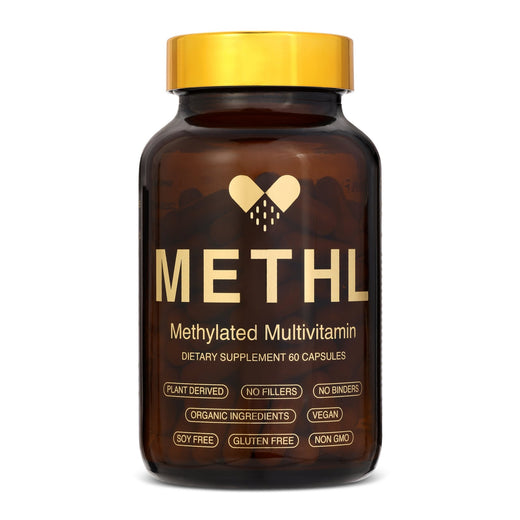
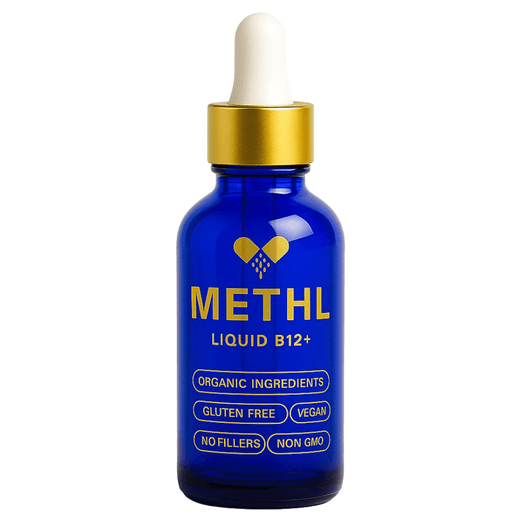
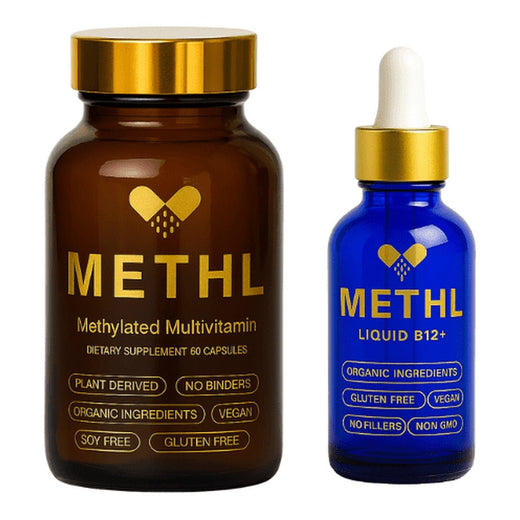
New to methylated nutrients? Shop METHL’s methylated multivitamins & B vitamins — active forms your body can actually use.
What Are Energy Vitamins?
Energy vitamins are essential nutrients that help convert food into energy, supporting various bodily functions. Let’s take a closer look at what defines these vitamins and why they’re important.
Primarily, energy vitamins include the B vitamins, vitamin C, and several others that facilitate the metabolic processes in our bodies. They assist in the transformation of carbohydrates, fats, and proteins into energy. Without these vitamins, our metabolic processes could struggle, leading to fatigue and decreased overall function. Thus, understanding what energy vitamins do is vital for anyone looking to improve their health.
Moreover, their significance extends beyond just energy. These vitamins also play roles in nerve function, DNA synthesis, and the production of red blood cells. Each type of energy vitamin has unique benefits that cumulatively enhance our vitality. It’s fascinating how something as simple as vitamins can impact our daily energy levels and overall wellness!
The Connection Between Energy Vitamins and Immunity
Many energy vitamins also play a crucial role in maintaining a strong immune system. This section examines the interplay between energy production and immune support.
When we think about our immune system, it’s easy to focus solely on the big players like vitamin C or zinc. However, energy vitamins—especially the B vitamins—are vital for keeping our immune responses robust. For instance, vitamin B6 is known for its role in supporting biochemical reactions that occur in the immune system. A deficiency can lead to a lowered immune response, leaving the body vulnerable to infections.
Interestingly, energy vitamins are not just supportive players; they help produce the very cells that fight off pathogens. For example, they assist in the formation of antibodies, which are crucial for identifying and eliminating harmful invaders. The connection between energy and immunity is more intertwined than we often realize; energy deficits can lead to a strangulated immune response, making it essential to focus on consuming adequate energy vitamins.
Key Energy Vitamins for Immune Support
Vitamins like B6, B12, C, and D are known for their immune-boosting properties. Let’s highlight each vitamin’s role and its specific benefits for immune health.
Vitamin B6, for one, is crucial in the formation of neurotransmitters and has a significant role in the production of antibodies. A good level of B6 can improve immune responses and help the body fend off infections more effectively. B12, often linked with energy, also helps improve mood and cognitive functions, which indirectly support immune health.
Next, we have vitamin C, widely celebrated for its antioxidant properties. This vitamin plays a role in supporting cellular functions of both the innate and adaptive immune system. It’s like a shield against oxidative stress, ensuring that our immune cells can function at their peak. Vitamin D, on the other hand, regulates immune responses and reduces inflammation, making it a pillar of immune health. Often dubbed the sunshine vitamin, its deficiency is quite common and can be linked with increased susceptibility to infections.
How to Incorporate Energy Vitamins into Your Diet
Incorporating energy vitamins doesn’t have to be complicated. Here, we explore various food sources and simple dietary changes to ensure you’re getting enough of these vital nutrients.
To begin, it’s important to include a variety of foods in your diet. Whole grains, lean meats, fish, and dairy are rich sources of B vitamins. For those who prefer plant-based options, legumes, nuts, and certain vegetables can also provide essential vitamins. Incorporating fruits, especially oranges and berries, can help you get the vitamin C boost your immune system craves.
Moreover, don’t forget about meal prep! Planning your meals can help you ensure that you’re getting diverse sources of energy vitamins. Smoothies are a fantastic way to pack in fruits and leafy greens, providing a concentrated source of nutrients in a delicious drink. Pairing these with whole-grain toast or a protein-rich breakfast can set a positive tone for your day.
The Importance of Balance and Moderation
While energy vitamins are vital, it’s important to maintain balance and moderation. This section discusses the risks of over-supplementing and how to find the right dosage for your body.
It can be tempting to rely on supplements, especially when our busy lifestyles make it challenging to eat a well-rounded diet. However, over-supplementing can lead to serious health issues. For example, too much vitamin B6 can cause nerve damage, while excessive vitamin C can lead to gastrointestinal discomfort. That’s why it’s always better to aim for a balanced diet rich in nutrients rather than relying solely on pills.
To establish the right dosage for your body, it’s always wise to consult with a healthcare professional. They can provide personalized guidance based on your specific health needs. Remember, finding the right balance means giving your body what it needs without overwhelming it. This thoughtful approach will not only enhance your energy but also protect your immune system, creating a harmonious balance between health and vitality.
Empowering Your Immune System with Energy Vitamins
In summary, incorporating energy vitamins into your daily routine can do wonders for your immune health. By understanding their benefits and choosing the right vitamins, you can empower your body to fight off illnesses more effectively. Remember, a healthy immune system is essential for an energetic and fulfilling life!
Mitochondrial Energy and Immune Cell Function
The connection between energy vitamins and immune support runs deeper than most people realize. Immune cells — particularly T cells, B cells, and macrophages — are among the most metabolically active cells in the body. During an immune response, T cells increase their metabolic rate by up to 25x within hours, demanding enormous quantities of ATP for proliferation, cytokine production, and pathogen elimination.
This metabolic explosion depends on the same B vitamin cofactors that drive everyday energy production. Thiamine, riboflavin, niacin, and pantothenic acid are essential components of the electron transport chain. Methylfolate and methylcobalamin are needed for the rapid DNA synthesis that allows immune cells to divide. P5P supports the amino acid metabolism needed for antibody production. When these cofactors are in their active, methylated forms, immune cells can access them immediately without the conversion delays associated with synthetic vitamins.
The Methylation-Immunity Connection
Methylation directly regulates immune function through several mechanisms that are impaired in individuals with MTHFR variants:
- Immune cell differentiation — DNA methylation patterns determine whether a naive T cell becomes a helper T cell, cytotoxic T cell, or regulatory T cell. Impaired methylation can lead to inappropriate immune responses.
- Cytokine production — the signaling molecules that coordinate immune responses require adequate SAMe for production and regulation. Undermethylation often correlates with altered cytokine profiles.
- Natural killer cell activity — NK cells are the body's first line of defense against viruses and cancer cells. Their activity depends on adequate glutathione levels, which are maintained through the methylation-dependent transsulfuration pathway.
- Antibody production — B cells require significant folate and B12 for the rapid proliferation needed to produce antibodies during infection.
By providing active-form B vitamins that bypass MTHFR-related conversion issues, a methylated B complex like METHL's methylated formula supports the methylation processes that underpin robust immune function.
Chronic Fatigue and Immune Dysregulation
The overlap between chronic fatigue syndrome (CFS), immune dysfunction, and methylation impairment is well-documented in medical literature. Many CFS patients show elevated inflammatory markers, reduced NK cell function, and altered methylation profiles. While CFS is a complex condition with multiple contributing factors, optimizing methylation through active-form B vitamin supplementation represents one of the most accessible and evidence-supported interventions.
Research published in the Journal of Chronic Fatigue Syndrome has shown that methylcobalamin injections improve fatigue scores in a significant percentage of CFS patients, and combination protocols using methylfolate, methylcobalamin, and P5P show even greater improvements. Oral supplementation with active, methylated forms is a practical daily approach for maintaining healthy B vitamin status.
Adaptogens vs. Methylated Vitamins for Energy
The wellness industry often promotes adaptogenic herbs — ashwagandha, rhodiola, ginseng, maca — as energy solutions. While adaptogens have genuine stress-modulating properties, they work through different mechanisms than B vitamins and should not be considered replacements:
- Adaptogens modulate stress hormones — they help normalize cortisol and support adrenal function, providing stress resilience
- Methylated B vitamins fuel cellular energy production — they provide the cofactors for ATP synthesis in mitochondria, the actual engines of cellular energy
- Adaptogens address the symptom (stress response) while methylated B vitamins address the cause (nutrient deficiency in energy pathways)
The most effective approach uses both: methylated B vitamins as the biochemical foundation for energy production, and adaptogens as supportive modulators of the stress response. A methylated multivitamin should always come first, with adaptogens added as a complementary layer.
Is Energy Vitamin Supplementation Right for Everyone?
Energy vitamins are not a one-size-fits-all solution. Whether you benefit depends on your diet, your absorption, your life stage, and — critically — your methylation genetics. The sections below cover who gains the most, who should proceed with care, and how to choose a form that actually works for your body.
How B Vitamins Power Cellular Energy
Every cell generates energy through mitochondria, which convert nutrients into ATP — the universal energy currency. B vitamins sit at the center of nearly every step. Thiamine (B1) drives pyruvate dehydrogenase; riboflavin (B2) and niacin (B3) feed the electron transport chain as FAD and NAD+; pantothenic acid (B5) forms coenzyme A; pyridoxine (B6) supports amino-acid metabolism; biotin (B7) enables gluconeogenesis; folate (B9) and B12 drive one-carbon metabolism and red blood cell production that delivers oxygen to cells. When any cofactor is deficient — or present in a form the body cannot use — energy production suffers. This is why the form of a B vitamin matters as much as the dose.
Who Benefits Most
- Athletes and active individuals — intense training raises B vitamin requirements by 2–3x through metabolic demand, sweat losses, and tissue repair. Active people with MTHFR variants often experience disproportionate fatigue and poor recovery if their needs are met only with synthetic forms.
- Pregnant and nursing women — increased blood volume and metabolic rate raise B vitamin needs across the board. Methylfolate is now recognized as the preferred form over folic acid for supporting healthy neural tube development, particularly in women with MTHFR variants.
- Adults over 50 — aging reduces stomach acid and intrinsic factor, impairing B12 and folate absorption. Methylated forms bypass several of these barriers, which is why older adults taking standard multivitamins often feel no benefit.
- Those with restrictive diets — plant-based and elimination diets can leave gaps in B12, B6, and other energy cofactors that a methylated formula fills directly.
Who Should Be Cautious
Methylated B vitamins are safe for most adults, but a few situations warrant professional guidance:
- Sensitivity to methyl donors — some individuals, particularly those with certain COMT variants, react to methyl donors with anxiety, irritability, or insomnia. Starting at a lower dose and increasing gradually helps you find your tolerance.
- Specific medications — methylfolate can interact with methotrexate, and high-dose B6 can interact with levodopa. Always consult your prescribing physician.
- Children under 12 — pediatric dosing differs significantly; use only under medical supervision.
- Kidney disease — impaired kidney function affects B vitamin metabolism and excretion, so medical monitoring is advisable.
Methylated vs. Synthetic Energy Vitamins
Not all energy support is created equal. Synthetic B vitamins (folic acid, cyanocobalamin) require enzymatic conversion; for the large share of people with MTHFR variants, that conversion is impaired, making them partially or completely ineffective. Caffeine and stimulants provide a temporary boost by blocking adenosine and triggering adrenaline — borrowing energy from your future self, with an inevitable crash. Methylated B vitamins provide the active cofactors mitochondria need for sustained ATP. There is no crash, because you are fueling the biochemical machinery of energy production rather than stimulating the nervous system. This is the approach behind METHL's Methylated Multivitamin.
MTHFR and the Energy–Immune Overlap
People with MTHFR variants frequently report a recognizable pattern: more frequent upper-respiratory infections, longer recovery from illness, higher rates of inflammatory conditions, and increased sensitivity to environmental triggers. Reduced methylfolate availability slows DNA synthesis in rapidly dividing immune cells, lower glutathione reduces the capacity to neutralize the reactive oxygen species immune cells produce, and elevated homocysteine promotes inflammation that diverts immune resources. Addressing the methylation impairment with active-form B vitamins is a foundational step in supporting both energy and immune resilience — a single comprehensive methylated formula addresses the shared pathways rather than supplementing each system separately.
Practical Protocol for Energy-Immune Optimization
Building a supplement protocol that supports both energy and immunity simultaneously is simpler than it might seem, because the interventions share common pathways:
- Foundation: METHL Methylated Multivitamin — provides the comprehensive B vitamin, mineral, and fermented greens base
- Targeted methylation support: METHL Liquid B Complex — concentrated active-form B vitamins with enhanced absorption for those with confirmed MTHFR variants or elevated homocysteine
- Antioxidant support: NAC (600-1200mg daily) plus vitamin C (500-1000mg from whole-food sources) for glutathione production and oxidative stress reduction
- Immune-specific: Vitamin D3 (2000-5000 IU daily with K2) and zinc (15-30mg chelated form) for immune cell development and function
- Gut health: The fermented greens in METHL provide baseline support; consider additional probiotics if you have known dysbiosis
This protocol addresses the shared biochemical requirements of energy production and immune function through a cohesive, synergistic approach. Learn more about methylated multivitamins and how methylated B vitamins differ from regular forms. Visit our story to understand the personal experience that drove the creation of METHL.